
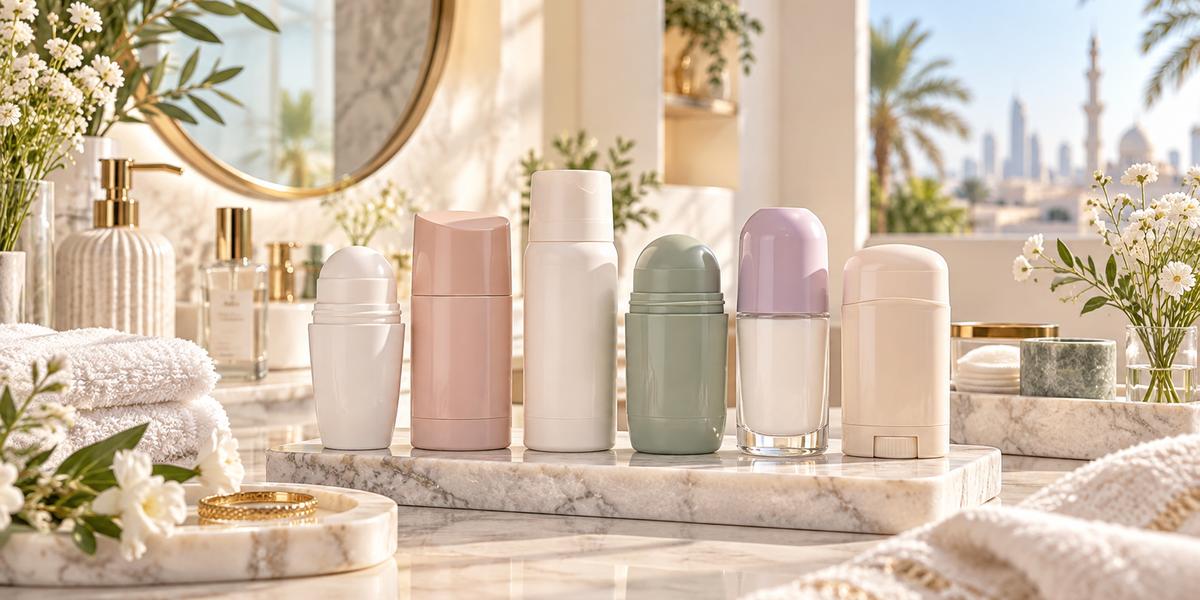
Best Women's Deodorant 2026: Dermatologist Guide for Sensitive Skin & Underarm Brightening
Selecting the best women's deodorant in 2026 represents a critical dermatological and personal care decision that extends far beyond controlling daily perspiration odor. The axillary underarm region features a delicate epidermal barrier characterized by thin stratum corneum layers, a high concentration of apocrine and eccrine sweat glands, and frequent mechanical irritation from shaving, waxing, or laser hair removal. Choosing an improperly formulated product can lead to contact dermatitis, skin barrier disruption, and persistent axillary post-inflammatory hyperpigmentation (PIH).
In this clinical guide, board-certified dermatologists evaluate the most effective medical, brightening, and aluminum-free women's deodorants and antiperspirants for 2026. We examine active depigmenting ingredients, sweat suppression mechanics, hypoallergenic criteria for sensitive skin, and how to acquire genuine personal care products at discounted rates using verified codes from Wafarna, including the Nice One promo code CC4, The Body Shop coupon OM3RA8, and verified codes for Noon and Amazon.
Clinical Distinction: Deodorant vs. Antiperspirant
A Deodorant does not stop sweat production; instead, it utilizes antibacterial agents (such as Zinc Ricinoleate, Magnesium Oxide, and prebiotic peptides) to neutralize odor-causing Corynebacterium bacteria on the skin surface. An Antiperspirant contains micronized aluminum salts (such as Aluminum Chlorohydrate or Sesquichlorohydrate) that dissolve in sweat to form temporary, harmless physical plugs within the sweat ducts, reducing perspiration flow by 40% to 70%.
Best Women's Deodorants 2026 Comparison Overview
The comparative clinical table below evaluates leading dermatologist-approved women's deodorants across active ingredients, brightening efficacy, aluminum status, and sensitive skin safety:
| Product Name & Brand | Primary Active Formulation | Skin Type & Underarm Brightening | Alcohol & Aluminum Profile | Verified Wafarna Partner |
|---|---|---|---|---|
| Beesline Whitening Roll-On | Lumiskin (Diacetyl Boldine), Teflose, Propolis & Lactic Acid | Hyperpigmented Skin / Active Brightening | 0% Ethyl Alcohol / Aluminum Salt Base | Nice One promo code (Code CC4) |
| Vichy 48h Soothing Anti-Marks | Micro-refined Aluminum Chlorohydrate & Vichy Volcanic Water | Sensitive Skin / Prevents Yellow & White Marks | Alcohol-Free / Hypoallergenic Tested | Noon coupon code (Code BEE13) |
| La Roche-Posay 24h Physiological | Absorbent Magnesium Oxide & Zinc Gluconate | Ultra-Sensitive, Reactive & Post-Laser Skin | 0% Aluminum / 0% Alcohol / 0% Parabens | Amazon deals hub |
| Eucerin Sensitive Skin 24h Roll-On | Phytonutrient Zinc Ricinoleate & Aluminum Chlorohydrate | Atopic Dermatitis & Eczema-Prone Skin | Fragrance-Free / 0% Alcohol | Nice One promo code (Code CC4) |
| Dove 0% Aluminum Moisturizing | 1/4 Moisturizing Cream, Vitamin B3 & Glycerin | Normal to Dry Skin / Barrier Restoration | 0% Aluminum Salts / 0% Alcohol | Noon coupon code (Code BEE13) |
In-Depth Review of Top Dermatological Formulations
1. Beesline Whitening Roll-On: The Gold Standard for Underarm Brightening
Beesline Whitening Roll-On represents the undisputed market leader across the Middle East for women combating axillary hyperpigmentation. Its clinical efficacy is powered by Lumiskin (Diacetyl Boldine), a patented botanical molecule derived from the Chilean Boldo tree that inhibits tyrosinase activity, suppressing melanin hyper-synthesis in melanocytes without inducing cytotoxicity.
The formula incorporates Teflose, a patented polysaccharide film that forms an invisible anti-adhesive shield preventing odor-causing bacteria from adhering to the skin surface, paired with bee propolis and lactic acid salts that gently exfoliate dead epidermal cells. Regular application over 4 to 8 weeks visibly unifies underarm skin tone, rendering it exceptionally popular following laser hair removal treatments.
2. Vichy 48h Soothing Anti-Marks: Clinical Strength for Heavy Perspiration
For women experiencing heavy perspiration during hot Gulf summers or intense athletic training, Vichy 48-Hour Soothing Roll-On provides medical-grade protection. Formulated with micro-refined aluminum chlorohydrate particles that deposit uniformly across sweat pores, it regulates sweat flow for two days while preventing yellow stains on white silks and white chalky residue on dark abayas.
Enriched with Vichy Volcanic Mineralizing Water containing 15 essential minerals and soothing provitamin B5, it immediately pacifies freshly shaved underarm skin, reducing stinging sensations and irritation.
3. La Roche-Posay 24h Physiological: The Ultimate Aluminum-Free Formula
Designed specifically for women with hypersensitive, reactive skin or those seeking an entirely aluminum-free lifestyle. La Roche-Posay replaces traditional metal salts with Magnesium Oxide, an ultra-absorbent mineral powder capable of trapping up to four times its weight in moisture, paired with Zinc Gluconate to neutralize bacterial enzymatic activity.
Free of ethanol, parabens, and synthetic fragrance allergens, it restores the skin's physiological pH, making it the safest clinical choice immediately following underarm laser hair removal sessions.
4. Eucerin Sensitive Skin 24h Roll-On: Unfragranced Eczema Relief
Eucerin's dermatological roll-on is engineered specifically for women suffering from atopic dermatitis, eczema, or severe cosmetic fragrance allergies. Completely devoid of perfumes, essential oils, and ethyl alcohol, its biocompatible formula incorporates mild aluminum salts and moisture-binding humectants to provide reliable odor protection without triggering burning sensations or contact dermatitis.
Pathology of Underarm Darkening: Causes and Prevention
Axillary hyperpigmentation is a common cosmetic concern caused by multiple preventable physiological factors:
- Post-Inflammatory Hyperpigmentation (PIH): Using deodorants formulated with drying ethyl alcohol or synthetic fragrance allergens induces chronic sub-clinical inflammation. In response, melanocytes overproduce melanin pigment as a protective defense mechanism, causing noticeable darkening.
- Mechanical Friction from Shaving: Shaving dry skin with dull razor blades strips away the stratum corneum, creating micro-abrasions that trigger epidermal thickening and darkening. Always use a lubricating shave gel and sharp multi-blade razors.
- Friction from Tight Synthetic Clothing: Wearing tight synthetic polyester garments generates continuous friction against underarm skin during walking and exercise, exacerbating friction-induced dark patches.
Dermatologist Protocol: Post-Laser Hair Removal Underarm Care
Underarm laser hair removal utilizes concentrated light energy absorbed by melanin in hair follicles, generating thermal heat that temporarily leaves surrounding skin inflamed and vulnerable. Dermatologists advise the following post-laser protocol:
- Cease Antiperspirant Use for 48 Hours: Immediately following a laser session, avoid applying products containing aluminum salts or fragrances for 48 hours to prevent chemical dermatitis within open follicles.
- Apply Calming Medical Ointments: Apply soothing creams containing panthenol, zinc oxide, or centella asiatica twice daily during the first two days to dissipate epidermal erythema.
- Transition to Physiological Formulations: After 48 hours, resume deodorant use utilizing alcohol-free, fragrance-free physiological roll-ons like La Roche-Posay or Beesline to maintain long-term skin brightening without irritation.
Axillary Barrier Restoration and Daily Underarm Hygiene Rituals
Maintaining clear, healthy, and odor-free underarm skin requires integrating clinical deodorant application with proper physiological hygiene practices:
1. Gentle pH-Balanced Cleansing Over Harsh Antibacterial Soaps
Many consumers mistakenly scrub axillary skin with harsh alkaline antibacterial soaps, which strip the protective acid mantle (skin pH 4.5 to 5.5) and eradicate beneficial commensal microflora. This creates an ecological vacuum rapidly colonized by pungent odor-producing bacteria. Cleanse underarms utilizing syndet cleansing bars or physiological lipid-replenishing wash gels formulated at pH 5.5.
2. Strategic Nighttime Application of Antiperspirants
Clinical studies demonstrate that antiperspirants achieve maximum sweat reduction when applied at bedtime onto clean, completely dry skin. During sleep, body temperature drops and sweat gland secretion rates reach their lowest diurnal point. This allows micronized aluminum salts to settle deep within sweat ducts and form stable plugs undisturbed by active daytime perspiration.
3. Managing Clothing Fiber Breathability
Synthetics like 100% polyester, nylon, and elastane trap moisture and body heat against the skin, fostering anaerobic bacterial environments that amplify pungent fatty acid odors. Choose breathable natural textiles such as organic cotton, linen, and modal, which promote continuous airflow and rapid moisture evaporation throughout demanding working days.
4. The Role of Diet, Stress, and Hydration in Perspiration Odor
Axillary perspiration produced by eccrine glands is 99% odorless water and electrolytes, whereas apocrine glands secrete lipid-rich fluids metabolised by skin bacteria into volatile organic acids. Elevated cortisol stress levels, dietary sulfur compounds (such as excessive garlic, fenugreek, and spicy curries), and systemic dehydration intensify body odor. Maintaining adequate daily hydration and balanced nutrition complements clinical antiperspirant efficacy.
Clinical Hyperhidrosis Management and Prescription-Grade Interventions
For individuals afflicted with severe primary focal axillary hyperhidrosis (excessive uncontrolled underarm perspiration exceeding physiological thermoregulation requirements), standard commercial cosmetic roll-ons frequently prove insufficient. Dermatologists navigate clinical treatment escalations utilizing structured medical protocols:
1. Prescription Aluminum Chloride Hexahydrate Formulations
Prescription antiperspirants (such as Drysol or Anhydrol Forte) incorporate concentrated aluminum chloride hexahydrate (15% to 20%) formulated in anhydrous ethyl alcohol vehicles. These clinical formulations penetrate deeply into sweat gland ducts, precipitating insoluble obstructive plugs that halt perspiration for several days. Because high-concentration aluminum chloride generates hydrochloric acid upon contact with water, patients must apply it exclusively onto bone-dry skin before bedtime and wash it off thoroughly the following morning to avert chemical erythema.
2. Botulinum Toxin Type A (Botox) Injections
When topical medical antiperspirants induce severe contact eczema or fail to control hyperhidrosis, intradermal botulinum toxin type A injections represent the FDA-approved gold standard. A dermatologist administers 50 to 100 micro-injections uniformly across the axillary vault. The neurotoxin temporarily cleaves SNAP-25 proteins within sympathetic cholinergic nerve terminals, blocking acetylcholine neurotransmitter release and chemically disabling sweat gland secretion for six to nine months with remarkable clinical safety.
3. Evaluating Natural Deodorant Ingredients: Science vs. Sensitization
Consumers gravitating toward natural, clean-beauty deodorants must understand the physiological mechanisms and potential allergens associated with botanical alternatives:
- Sodium Bicarbonate (Baking Soda): Highly effective at neutralizing acidic bacterial odors, but carries a strongly alkaline pH (around 8.3 to 9.0). Repeated contact severely disrupts the skin's acidic mantle (pH 4.5 to 5.5), inducing allergic contact dermatitis, peeling, and persistent burning sensations in up to 30% of users.
- Arrowroot Powder & Cornstarch: Inert botanical starches that physically absorb surface moisture and reduce friction between skin folds without altering axillary cutaneous pH.
- Triethyl Citrate & Zinc Ricinoleate: Innovative biotechnological esters that inhibit bacterial enzymes from metabolizing sweat lipids into foul-smelling isovaleric acid, offering hypoallergenic odor defense without metallic aluminum salts.
Dermatologists emphasize that patch testing any new personal care formulation on the inner forearm for 48 hours prior to full axillary application significantly minimizes the risk of adverse contact reactions, ensuring safe long-term hygiene and skin comfort.
Frequently Asked Questions About Choosing Women's Deodorants 2026
Can a deodorant genuinely lighten dark underarms?
Yes, medical formulations containing active brightening molecules like Lumiskin, Niacinamide, Licorice Root Extract, and Lactic Acid clinically suppress melanin production and gently exfoliate surface hyperpigmentation over 4 to 8 weeks of consistent use.
Are aluminum-free deodorants as effective at stopping sweat?
Aluminum-free deodorants do not stop perspiration flow, as they lack metal salts to plug sweat ducts. However, they effectively neutralize body odor through natural antibacterial minerals like magnesium oxide and zinc gluconate, making them ideal for normal to light perspirers.
What causes yellow stains on white apparel?
Yellow underarm stains are caused by a chemical reaction between lipid proteins in human sweat and aluminum salts in antiperspirants, combined with detergent chemicals. Using anti-mark formulas like Vichy Anti-Marks or allowing roll-ons to dry completely before dressing prevents this reaction.
How often should deodorant be applied?
Standard deodorants should be applied once daily onto clean, completely dry skin, ideally at night before sleep when sweat gland activity is at its lowest, allowing active ingredients to bond securely with the skin barrier.
Where can I purchase authentic medical deodorants at the best prices?
Order through verified health and beauty platforms like Nice One using promo code CC4 or The Body Shop using coupon OM3RA8 to secure guaranteed genuine products with verified discounts.
Share this article